

Why Proper Preparation Is the Key
to a Long-Lasting Paint Job
When it comes to painting, most people focus on colour and finish. But professionals know the real secret sits underneath the paint. Preparation. Skip it or rush it, and even the best paint in the world won’t last.
Whether you’re painting walls, weatherboards, fences, or roofs, here’s why prep matters and how to get it right.
Why Preparation Matters So Much
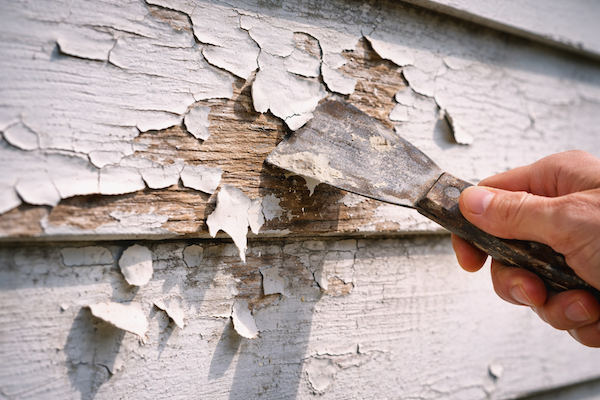
Paint is only as good as the surface it sticks to. Poor prep can lead to:
Peeling or flaking paint
Bubbling and blistering
Patchy finishes
Shortened paint lifespan
Good preparation ensures strong adhesion, even coverage, and a finish that looks better for longer.
Step #1
Clean the Surface Thoroughly
Dirt, grease, mould, and chalky residue are paint killers.
Interior walls: use sugar soap or a mild detergent
Exterior surfaces: water blast or scrub with a stiff brush
Treat mould and mildew before painting
If the surface isn’t clean, the paint can’t bond properly.
Step #2
Repair Before You Paint
Paint won’t hide defects, it highlights them.
Fill cracks, holes, and dents
Replace rotten timber
Tighten loose fixings
Repair damaged plaster or weatherboards
Let fillers and repairs fully cure before moving on.
Step #3
Sand for a Smooth Finish
Sanding does two things: smooths imperfections and gives the paint something to grip.
Light sand for previously painted surfaces
Heavier sanding for peeling or flaking paint
Always remove sanding dust afterwards
Even a quick sand makes a noticeable difference.
Step #4
Prime Where Needed
Primer isn’t optional, it’s insurance.
You should prime if:
You’re painting bare timber or plaster
Repairs or filler are visible
You’re changing from dark to light colours
The surface is chalky or porous
The right primer improves coverage, colour accuracy, and durability.
Step #5
Check Conditions Before Painting
Even with perfect prep, timing still matters.
Avoid painting in high humidity or rain
Watch temperature extremes
Allow proper drying time between coats
Preparation and conditions work together.
Prep Once, Paint Once
Good prep takes time, but it saves money and effort long term. You’ll use less paint, get a better finish, and avoid repainting far sooner than expected.
At Payless Paints, we stock not just quality paint, but also the primers, fillers, sealers, and tools you need to prep properly. If you’re unsure what prep products suit your project, pop in and ask. Getting it right from the start makes all the difference.